







Nasal breathing is the natural way your body is designed to breathe, especially during sleep. We sometimes breathe through our mouth, for example with a blocked nose or during exercise, but chronic mouth breathing at night can hurt your health and your sleep quality. Here are some important reasons why nasal breathing is better while you sleep:
1. Better oxygen uptake
Nasal breathing helps your body take up oxygen more efficiently. That's because your nose regulates the airflow better and humidifies and warms the air before it reaches your lungs. As a result, your body can take up more oxygen and work better. Mouth breathing, on the other hand, often makes oxygen uptake less effective, because the airflow is less controlled.
During sleep, oxygen uptake is crucial for your body to recover and for your brain to work at its best. People who breathe through their nose while they sleep often say they feel fresher and more rested when they wake up.
2. It prevents a dry mouth and poor oral health
When you breathe through your mouth at night, your mouth dries out much faster. Saliva plays an important role in protecting your teeth and gums by washing away bacteria and neutralizing acids. When your mouth gets too dry, your risk of cavities, gum problems and even bad breath goes up.
With nasal breathing your mouth stays closed, which helps keep it moist. That lowers the chance of problems such as tooth decay and gum inflammation.
3. Less snoring
Snoring is common in people who breathe through their mouth. When you breathe through your mouth, the airflow is less efficient and the soft tissues in your throat can vibrate, which creates the typical snoring sound. This happens especially when relaxed throat muscles narrow your airway.
Nasal breathing helps keep your airway open and helps keep your throat from narrowing while you sleep. That can reduce snoring. Do you have pauses in your breathing at night, or do you suspect sleep apnea? Then see a doctor. Nasal breathing is no replacement for a diagnosis or treatment.
4. Better breathing and body function
Nasal breathing engages your diaphragm, which leads to deeper, slower breathing. That boosts the activity of your parasympathetic nervous system, which takes care of relaxation and recovery during sleep. This deep breathing pattern helps your body recover and has a calming effect on your nervous system.
Mouth breathing, on the other hand, encourages shallow breathing, which can lead to overbreathing and stress during sleep. By breathing through your nose, you help your body settle into a calmer, steadier breathing rhythm, which is good for both your physical and mental health.
5. It supports your immune system and filters the air
Another big advantage of nasal breathing is that your nose works as a natural filter for the air you breathe in. The hairs and mucous membranes in your nose help trap dust, bacteria, pollen and other pollutants before they reach your lungs. That lowers the risk of infections and allergic reactions.
Your nose also humidifies and warms the air you breathe in, so it's better suited for your lungs. When you breathe through your mouth, this step is skipped completely, which can lead to irritated airways and a higher risk of respiratory infections.
Why mouth breathing can be harmful
Sometimes mouth breathing is temporarily necessary (for example when you have a cold), but chronic mouth breathing during sleep can lead to several health problems, including:
- Snoring and breathing problems: as mentioned above, mouth breathing narrows the airway, which can lead to snoring and is linked to breathing disorders such as sleep apnea.
- A dry mouth and tooth decay: mouth breathing dries out your mouth, which lowers your saliva and raises the risk of cavities and gum problems.
- Poorer sleep quality: disrupted breathing can keep you from sleeping deeply, which leads to tiredness and a sluggish feeling during the day.
How can you switch to nasal breathing while you sleep?
If you notice that you often breathe through your mouth while you sleep, here are a few simple steps to switch to nasal breathing:
-
Nasal breathing exercises
Make a point of breathing through your nose during the day. That helps train your body to breathe through your nose automatically at night too. -
Keep your nose clean and open
A stuffy nose can be a major cause of mouth breathing. Make sure your nose is clean and open, for example with a saline spray or a humidifier in your bedroom. -
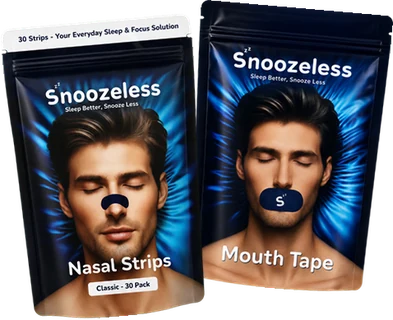
Mouth tape
Mouth tape is a simple but effective way to train yourself to breathe through your nose while you sleep. By gently taping your mouth closed, you make yourself breathe through your nose. That can help reduce snoring and improve your sleep quality.
Conclusion
Nasal breathing is essential for healthy sleep. It helps your oxygen uptake, improves your sleep quality, reduces snoring and protects your oral health. Mouth breathing can't always be avoided, but it's important to aim for healthy nasal breathing, especially while you sleep.
If you find it hard to switch to nasal breathing, consider tools like mouth tape to make the switch easier. Keep reading on our website for more tips and products that can help you breathe better and sleep better.


