







Mouth breathing simply means breathing through your mouth instead of your nose while you sleep. It may not seem to cause problems in the short term, but chronic mouth breathing can hurt your health and your sleep quality. Your body is built to breathe mainly through your nose, because your nose filters, moistens and warms the air before it reaches your lungs.
When people breathe through their mouth at night, they can end up with all kinds of problems, like a dry mouth, snoring, bad breath and even sleep disorders such as sleep apnea. But why does it happen in the first place? Let's look at the main causes of mouth breathing during sleep.
1. A blocked nose or allergies
One of the most common reasons people breathe through their mouth while they sleep is a blocked nose. That can be temporary, from a cold or the flu, or chronic, from allergies or blocked sinuses. When your nose is blocked, it's hard to get enough air in, so you switch to mouth breathing without noticing.
Solution:
To ease a blocked nose, you can use a nasal spray, steam inhalation or a humidifier in your bedroom to raise the humidity. If you have chronic allergies, it can help to see a doctor for the right treatment.
2. Habits and the wrong breathing technique
A lot of people are used to breathing through their mouth, often without realizing it. That habit can come from stress, poor posture or simply the way you learned to breathe. Once mouth breathing becomes your default, you're more likely to keep doing it while you sleep.
Solution:
Practicing conscious nasal breathing during the day can help you breathe better at night too. Some breathing techniques, like the Buteyko method, are designed specifically to improve your breathing pattern and encourage nasal breathing.
3. Anatomical problems
Some people have a physical or anatomical issue that makes it hard to breathe through their nose. Think of a deviated septum, enlarged adenoids or other structural issues that block the airflow through the nose. These problems narrow or block the airways in the nose, so the person has no choice but to breathe through their mouth.
Solution:
If you suspect an anatomical problem, it's a good idea to see an ENT (ear, nose and throat) doctor. In some cases, a simple medical procedure can improve your nasal breathing and stop mouth breathing.
4. Sleep apnea
Sleep apnea is a sleep disorder in which your breathing briefly stops or becomes very shallow while you sleep. People with sleep apnea often breathe through their mouth, mainly because the muscles in the throat relax and the airways narrow. As a result, they may wake up more often at night with breathing trouble and switch to mouth breathing.
Solution:
If you have sleep apnea, it's important to see a doctor for a diagnosis and treatment. In some cases, a CPAP device (continuous positive airway pressure) is prescribed to keep the airways open and reduce mouth breathing.
5. Stress and anxiety
Stress and anxiety can also affect how you breathe, both during the day and at night. People who are often tense or stressed tend to breathe faster and more shallowly, which can lead to mouth breathing. While you sleep, stress can change your breathing pattern so you breathe through your mouth without realizing it.
Solution:
Relaxation techniques like yoga, meditation or breathing exercises can help lower your stress and improve your breathing pattern. The more relaxed you are, the less likely you are to breathe through your mouth while you sleep.
What mouth breathing during sleep does to you
It may not seem like a big deal, but chronic mouth breathing during sleep can lead to several health problems:
-
Snoring: mouth breathing makes snoring more likely, because the airflow through your mouth makes the soft tissue in your throat vibrate, which creates that typical snoring sound.
-
A dry mouth and sore throat: the constant airflow through your mouth dries out your saliva, which can lead to a dry mouth, a sore throat and even dental problems like tooth decay and gum inflammation.
-
Sleep disorders: mouth breathing can lower your sleep quality and is linked to a higher risk of sleep apnea. That means more interruptions in your sleep cycle, and more tiredness during the day.
How can you stop mouth breathing during sleep?
If you notice that you often breathe through your mouth while you sleep, there are several things you can try to switch to nasal breathing and sleep better:
-
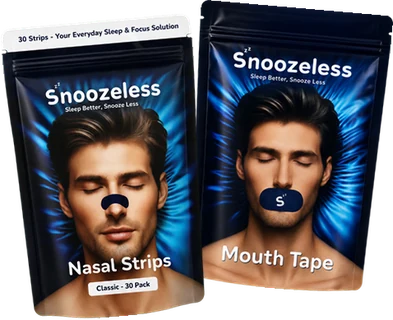
Use mouth tape
A popular way to reduce mouth breathing is mouth tape. A small strip of tape over your lips keeps you breathing through your nose while you sleep. That can help reduce snoring and improve your breathing. -
Keep your nose clear
If needed, use a saline rinse or nasal spray to keep your nose clear and your airways open. That helps reduce congestion and makes mouth breathing less likely. -
Breathing exercises
Practice nasal breathing techniques regularly to train your body to breathe through your nose naturally, both during the day and at night. -
A humidifier in the bedroom
Dry air can contribute to a stuffy nose, which pushes you toward mouth breathing. A humidifier raises the humidity, which makes breathing through your nose easier.
Conclusion
Mouth breathing during sleep is a common problem that can lead to snoring, a dry mouth and even sleep disorders. The causes range from a blocked nose to stress or anatomical issues, but luckily there are plenty of ways to tackle it. By training yourself to breathe through your nose and using tools like mouth tape, you can make a real difference to the quality of your sleep.


