






What is mouth breathing during sleep?
Simply put, mouth breathing is when you breathe through your mouth instead of your nose. It can be temporary, for example when you have a cold or allergies, but for some people it's a chronic habit, especially during sleep. Often they don't even realize they're doing it until they notice symptoms like a dry mouth, a sore throat or even sleep disorders such as sleep apnea.
Signs that you breathe through your mouth while you sleep
So how do you find out whether you breathe through your mouth at night? There are a few common symptoms and signs to look out for:
-
A dry mouth or sore throat when you wake up
This is one of the most common signs. When you breathe through your mouth, it dries out much faster than when you breathe through your nose, which can leave you with a scratchy throat or a thirsty feeling in the morning. -
Snoring
Snoring is common in people who breathe through their mouth. The airflow through your mouth makes your throat vibrate more, which creates that familiar snoring sound. -
Tiredness and poor sleep quality
People who breathe through their mouth often have a disrupted sleep cycle, which leads to poor sleep quality. Even after eight hours of sleep, you can still wake up tired and worn out. -
Sleep apnea
Mouth breathing can be a risk factor for sleep apnea, a condition in which your breathing briefly stops while you sleep. It happens when the airways become partly or completely blocked, which is more common with mouth breathing. -
Dry, chapped lips
If you often wake up with dry or chapped lips, that can be a sign that you breathe through your mouth while you sleep. -
A blocked nose
When your nose is blocked, you automatically switch to mouth breathing to get enough air. That can turn into a vicious circle in which breathing through your nose gets harder and harder.
Why is mouth breathing during sleep a problem?
Mouth breathing during sleep is more than an annoying habit. Over time, it can affect your health and well-being:
- A dry mouth: this can lead to dental problems like cavities, because saliva helps protect your mouth against harmful bacteria.
- Sleep disorders: mouth breathing raises the risk of sleep disorders such as sleep apnea, which can seriously lower the quality of your sleep.
- Less efficient oxygen uptake: nasal breathing filters the air and helps your body take up oxygen better. When you breathe through your mouth, you breathe less efficiently.
How to find out if you breathe through your mouth while you sleep
Not sure whether you breathe through your mouth at night? Here are a few practical ways to find out:
-
Ask your partner
If you share a bed, ask whether they've seen you sleeping with your mouth open or heard you snore. Your partner often notices before you do. -
Use a recording app
There are several apps, such as SnoreLab, that record and analyze your sleep. They can tell you whether you snore or show signs of mouth breathing. -
Pay attention to how you feel in the morning
Keep a diary of your morning symptoms for a week. Write down every time you wake up with a dry mouth or sore throat, or feel extremely tired. That can help you spot patterns that point to mouth breathing. -
A sleep study
If you suspect you breathe through your mouth and it's seriously disrupting your sleep, a sleep study (polysomnography) can give you more insight. It's a medical test that analyzes your sleep and your breathing pattern.
Ways to stop mouth breathing during sleep
If you think you breathe through your mouth while you sleep, there are several effective things you can try to start breathing through your nose again:
-
Nasal breathing exercises
Breathing techniques such as the Buteyko method can help you become aware of your breathing and switch to nasal breathing. The goal is to "retrain" your body to breathe through your nose automatically, during the day and at night. -
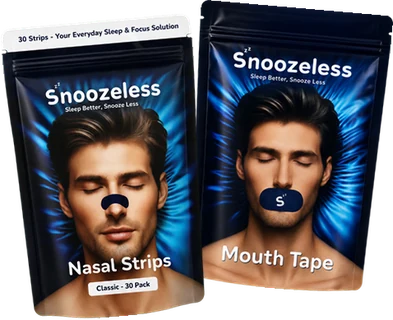
Nasal strips or nasal spray
If a stuffy nose is the problem, nasal strips or a nasal spray can help. They open up your airways, which makes it easier to breathe through your nose. -
Mouth tape
Mouth tape is a simple solution that's getting more and more popular. By gently taping your mouth closed before you go to sleep, you make sure you breathe through your nose. That can help prevent mouth breathing and improve your sleep quality. -
Keep your bedroom humid
Dry air can irritate your nose and contribute to mouth breathing. Consider a humidifier to raise the humidity in your bedroom. -
See an ENT doctor
If a blocked nose is a chronic problem, it can help to see an ENT (ear, nose and throat) doctor. There may be an underlying structural issue, such as a deviated septum, that needs treatment.
There are plenty of ways to improve your breathing and your sleep. On our website, you'll find more tips and tools to help you breathe better through your nose and sleep better.
Conclusion
Mouth breathing during sleep can seriously affect your sleep quality and lead to a whole range of health problems, from snoring to sleep apnea. Luckily, there are ways to find out whether you breathe through your mouth, and effective solutions to tackle it. By becoming aware of your breathing, using simple tools like mouth tape and seeing a doctor when needed, you can work toward better sleep and a healthier life.


