





We often underestimate the power of a good night's sleep. Deep sleep in particular, a crucial part of your sleep cycle, plays an essential role in your physical and mental recovery. But why is deep sleep so important, and how can you make sure you get enough of it? In this article, you'll learn what happens during deep sleep, how it affects your well-being and which strategies really help you sleep better.
What is deep sleep?
Deep sleep, also known as slow-wave sleep, is the most restorative stage of your sleep cycle. It's marked by slow brain waves, a lower heart rate and slower breathing, and very little body movement. During deep sleep, your body goes through crucial recovery processes, including cell repair, hormone balancing and memory consolidation.
Why deep sleep matters
Physical recovery: Deep sleep is vital for your body's physical recovery. During this stage, your body makes fewer stress hormones and more growth hormone. That hormonal balance is crucial for repairing and regenerating tissue, including muscles, bones and skin. Blood flow to your muscles also improves during deep sleep, delivering the extra oxygen and nutrients they need to recover. This sleep stage also helps strengthen your immune system, so your body can fight off infections and illness more effectively. And in children and teenagers, it supports growth and development through the release of growth hormone.
Mental health: Deep sleep affects your mental health too. It's a crucial time for your brain to recover from the stress and tension of the day. This sleep stage helps balance the chemicals and hormones that influence your emotions and mood, which leads to better emotional balance. Deep sleep lowers the production of cortisol, the stress hormone, which helps reduce stress and anxiety. Getting consistent deep sleep can ease symptoms of depression and make you more resilient against mental health problems. It's also essential for thinking skills like problem solving, decision making and creativity.
Memory: One of the most important jobs of deep sleep may be its effect on memory and learning. During this stage, memory consolidation takes place: short-term memories are turned into long-term ones. That's fundamental for learning, because it locks in the knowledge and skills you picked up during the day. Deep sleep also helps clear out unnecessary information in your brain, which supports mental clarity and concentration. Students and professionals in particular can benefit from better deep sleep, since it can boost their learning and their performance at school or work.
Together, these benefits of deep sleep make sure both your body and mind can recover and recharge. Without enough deep sleep, your physical health, mental sharpness and emotional stability can all take a hit, which shows how essential good deep sleep is for your overall well-being.
How can you improve your deep sleep?
Improving your deep sleep starts with your daily routines and your sleep environment. Here are some detailed strategies you can put into practice:
- Regular sleep schedule: Consistency is the key to better sleep. Try to go to bed and get up at about the same time every day, even on weekends. This helps regulate your body clock, or circadian rhythm, and strengthens your natural sleep-wake cycle. Once your body is used to a fixed schedule, it becomes easier to fall asleep and reach deep sleep.
- Optimize your sleep environment: Your bedroom should be a sanctuary of calm, set up for relaxation and sleep. Make sure your room is cool, dark and quiet. That might mean investing in blackout curtains, soundproofing or a thermostat you can set to a comfortable sleeping temperature (around 16 to 18 degrees Celsius is considered ideal). A good mattress and comfortable pillows matter too, because they support your body and help you sleep without interruptions.
- Cut down on blue light: Exposure to blue light, especially in the evening, can disrupt the production of the sleep hormone melatonin. Try to limit your use of electronic devices like smartphones, tablets and computers for at least an hour before bed. If you do need to use them, consider a blue light filter or glasses that block blue light. This helps your brain get ready for sleep.
- Relaxation techniques: Build relaxation exercises into your evening routine to prepare your body and mind for the night. Techniques like meditation, deep breathing, progressive muscle relaxation or gentle yoga can help reduce stress and tension, which makes it easier to fall asleep and improves the quality of your deep sleep.
- Limit caffeine and alcohol: Stimulants like caffeine can disrupt your sleep cycle and make it harder to reach deep sleep. Try to avoid caffeine in the hours before bed. Alcohol may make you drowsy at first, but it disrupts your sleep later in the night and reduces the time you spend in deep sleep.
By making these changes, you lay a solid foundation for better, more restorative deep sleep. Keep in mind that better sleep takes time and that consistency is key. Give yourself time to get used to new routines and notice the positive effects on your sleep and overall health.
On your way to better deep sleep
Now that you know the secrets behind deep sleep and how to improve it, it's time to put it all into practice. One essential thing you shouldn't overlook on the way to better sleep is the way you breathe.
Never underestimate the importance of breathing through your nose when it comes to getting the most out of your deep sleep. Nasal breathing stimulates the production of nitric oxide, a gas that regulates blood flow and supports sleep quality. Try to consciously breathe through your nose, both during the day and at night, to get the full benefits.
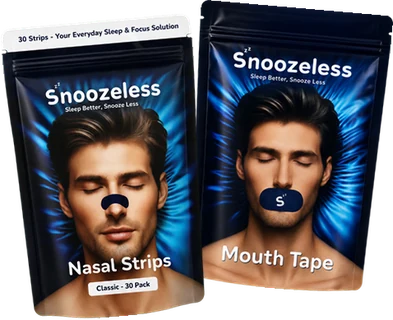
A handy tool to support nasal breathing while you sleep is our mouth tape. By taping your mouth while you sleep, you encourage nasal breathing and keep your mouth from falling open, which can disrupt your sleep cycle.

We encourage you to see these changes not just as part of your sleep routine, but as an investment in your overall well-being and quality of life. The rewards (more energy, better health and a sharper mind) are more than worth it.
If you have comments or questions, or want to share your own experiences, don't hesitate to get in touch or leave a comment. Your path to better deep sleep starts here and now. Sleep deeply and wake up ready for whatever the day brings.


