





Did you know that a good night's sleep is your best friend when it comes to health and well-being? And within that night, REM (rapid eye movement) sleep plays a starring role. Let's take a closer look at what REM sleep actually is, why it's so important and how you can improve it.
What is REM sleep?
Go deeper into the night and you'll find REM (rapid eye movement) sleep, a stage that's as intriguing as it is essential. It stands out because of the rapid eye movements behind your closed eyelids, which is where the name comes from. But what actually happens during REM sleep, and why is it such a special part of your sleep cycle?
During REM sleep, your brain activity is surprisingly close to when you're awake. This is when most dreams happen. Unlike in other sleep stages, your heart rate and breathing can become irregular, and your blood pressure goes up. This stage gets longer with every sleep cycle, starting at a few minutes and lasting up to an hour in the later cycles of the night.
Interestingly, despite all that brain activity, your body is in a state of almost complete muscle paralysis, known as atonia. This keeps you from physically acting out your dreams, so you stay safe while you go on adventures in your sleep.
The shift from non-REM sleep to REM sleep comes with clear signals in your body and your brain activity. Together, these stages play a unique and essential role in your overall sleep architecture, and the interplay between them helps you recover both physically and mentally.
On your journey through the night, REM sleep offers a window into your dreams and the deeper layers of your mind. It's an essential part of your nightly rest, even though many of its functions and mysteries are still waiting to be discovered.
Why is REM sleep important?
Your body goes through several sleep stages every night, but REM sleep is unique. It's the stage when your brain is almost as active as when you're awake, and that's essential for:
- Emotional health: REM sleep helps you process and regulate emotions. It can make you more resilient and lift your mood during the day.
- Memory and learning: During REM sleep, memories are strengthened and information is stored better, which is essential for learning and remembering.
- Creativity: Many artists and scientists say they get their best ideas after a good night's sleep, especially after dream-filled REM stages.
How can you improve the quality of your REM sleep?
Refreshing REM sleep is worth its weight in gold for your health and well-being. Here are some detailed tips to help you get the most out of your REM sleep:
- Consistency is key: Your body loves routine. Going to bed and getting up at the same time every day lets your internal clock settle into a steady rhythm, which leads to better sleep quality, including more consistent REM cycles. That also means keeping your weekends in line with your weekdays. Yes, those late movie nights and early morning outings can wait!
- Avoid caffeine and alcohol: These two are the party crashers of your sleep. Caffeine artificially boosts your alertness and makes it harder to fall asleep, which cuts the time you spend in REM sleep. Alcohol may help you fall asleep faster, but it disrupts the quality of your sleep, especially by suppressing REM sleep in the second half of the night. Try to avoid both for at least four to six hours before bed.
- Create a sleep-friendly environment: Your bedroom should be a sanctuary of calm. Use good blackout curtains, keep the temperature comfortable (around 18°C is ideal for most people) and keep noise to a minimum, or use a white noise machine if you live somewhere noisy. All of this can help you fall asleep faster and stay in deep, uninterrupted sleep through the night.
- Limit electronic devices: The blue light from smartphone, tablet and computer screens can suppress the sleep hormone melatonin and throw off your sleep cycle. Make it a habit to switch these devices off at least an hour before bed. Try relaxing activities like reading, meditating or a warm bath instead.
- Exercise regularly: Exercise can make a big difference to your sleep quality, including deeper, more restorative REM sleep. Just try to avoid intense workouts right before bed, since they can rev up your body and make it harder to fall asleep.
- Try relaxation techniques: Stress and anxiety can seriously disrupt your REM sleep. Yoga, meditation or even a few breathing exercises before bed can help calm your mind and make it easier to drift off.
By following these steps, you pave the way for better nights and better REM sleep. Keep in mind that building good sleep habits takes time, so be patient and stick with your routine.
Conclusion
As we unravel the mysteries of REM sleep and the important role it plays in your overall well-being, one thing is clear: good sleep habits are essential. But what if you've already tried everything, from a strict sleep routine to an electronics-free bedroom, and you still feel like you're not getting enough REM sleep?
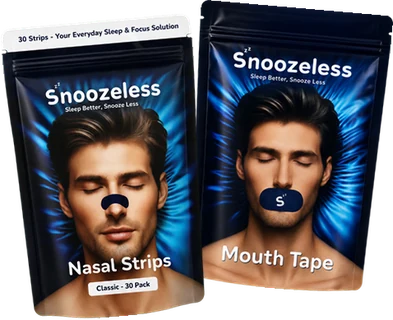
That's where an unexpected hero comes in: mouth tape. Yes, you read that right. Our specially designed mouth tape can be a surprising but effective way to improve your REM sleep. By gently keeping your mouth closed, the tape encourages you to breathe through your nose, which leads to a steadier breathing rhythm and better oxygen supply throughout the night.
The result? Deeper, more uninterrupted sleep that makes it more likely you'll spend more time in restorative REM sleep. Customers who've tried our mouth tape report not only better sleep quality but also a noticeable difference in their alertness and energy during the day.
Ready to take your sleep and your health to the next level? Try our mouth tape and discover the power of a good night's sleep for yourself. As with any change to your sleep routine, give it some time and experiment to see what works best for you.
By paying attention to the quality of your sleep and the possible benefits of mouth tape, you're taking active steps toward a healthier, more energetic life. So why not give it a try? Your REM sleep and your body will thank you.


