





What is nasal breathing?
Nasal breathing is exactly what it sounds like: breathing through your nose instead of your mouth. It seems obvious, but a lot of people end up breathing through their mouth more often than they think, especially during exercise or while they sleep. Your body is built to breathe through the nose, though, and that gives you a more efficient and healthier airflow.
Your nose does a lot for your health: it filters the air, regulates its temperature and adds moisture to the air you breathe in. These natural processes help you breathe better and prevent health problems.
The health benefits of nasal breathing
Let's look at some of the most important benefits you can get from consciously breathing through your nose:
-
Better air filtering
When you breathe through your nose, it works as a natural filter. The tiny hairs and mucous membranes in your nose catch dust, pollen and other pollutants before they reach your lungs. That protects your lungs and lowers the risk of respiratory infections and allergies. -
Better oxygen uptake
Nasal breathing boosts the production of nitric oxide, a molecule that widens your blood vessels and helps your blood take up oxygen more efficiently. That raises the oxygen levels in your body, which matters especially during exercise and for your energy levels. -
Better sleep quality
Nasal breathing helps reduce snoring. Because air flows through your nose in a more controlled and even way, you have fewer breathing problems at night. That leads to better, deeper sleep and helps you wake up feeling more rested. -
Better lung function
When you breathe through your nose, your lungs fill with air more evenly and efficiently. That supports your lung capacity and helps your respiratory system work at its best. It's especially useful during exercise, because it gives you more control over your breathing. -
Temperature and humidity control
Your nose warms and moistens the air you breathe in before it reaches your lungs. That's essential, especially in cold or dry weather. Mouth breathing skips this step, which can leave you with irritated airways and a dry throat. -
A stronger immune system
Nasal breathing supports your immune system by limiting the amount of harmful bacteria and viruses you breathe in. The mucous membranes in your nose trap germs and neutralize them, so you're less likely to catch infections and get sick. -
Better posture and breathing pattern
Breathing through your nose activates your diaphragm, which supports better posture and a steady breathing rhythm. That's not only good for your body, it also has a calming effect on your nervous system, which can reduce stress and anxiety.
How do you learn to breathe through your nose?
Lots of people breathe through their mouth without noticing, especially when they're stressed or active. The good news: you can train yourself to breathe through your nose more consciously. Here are a few tips:
-
Practice conscious breathing
Pay attention to your breathing throughout the day. Focus on breathing through your nose, especially when you're sitting or resting. Start with short periods and slowly make them longer. -
Use mouth tape while you sleep
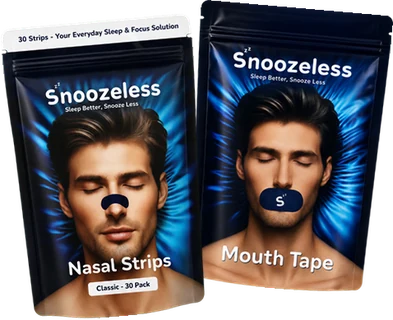
If you breathe through your mouth at night, mouth tape can help. It keeps you breathing through your nose while you sleep, which can improve your breathing pattern and your sleep quality. -
Nasal breathing during exercise
Try to breathe through your nose on purpose during light activity, like walking or yoga. It can feel tricky at first, but your body adapts over time, and it gets easier to keep breathing through your nose during harder workouts too. -
Nasal rinsing and breathing exercises
If your nose is often stuffy, rinsing it, for example with a neti pot, can help keep your nasal passages clear. Regular breathing exercises such as the Buteyko method can also help you breathe better through your nose. -
Use nasal strips
If you have a blocked nose or narrow nostrils, nasal strips can be a big help. They gently pull the sides of your nose outward, so more air flows through and nasal breathing gets easier. Nasal strips are especially useful while you sleep, during exercise or when your allergies flare up.


Scientific research on nasal breathing
The benefits of nasal breathing aren't just based on personal experience, they're backed by scientific research too. Studies show that nasal breathing improves oxygen uptake and has a wide range of positive effects on overall health, including better sleep and better lung function. Research also suggests that nasal breathing stimulates brain activity and strengthens neural connections, which supports better cognitive function.
Want to know more about nasal breathing and science-backed ways to improve your breathing? Take a look at our research center, where we go into breathing techniques and the health benefits of breathing well in detail.
Conclusion
Nasal breathing comes with a wide range of health benefits, from better air filtering to more oxygen uptake and better sleep. By consciously choosing to breathe through your nose, you can improve your overall well-being and reduce problems like snoring. Whether you do breathing exercises, use mouth tape while you sleep or simply change how you breathe during the day, it pays to make the most of the natural benefits of nasal breathing.


